
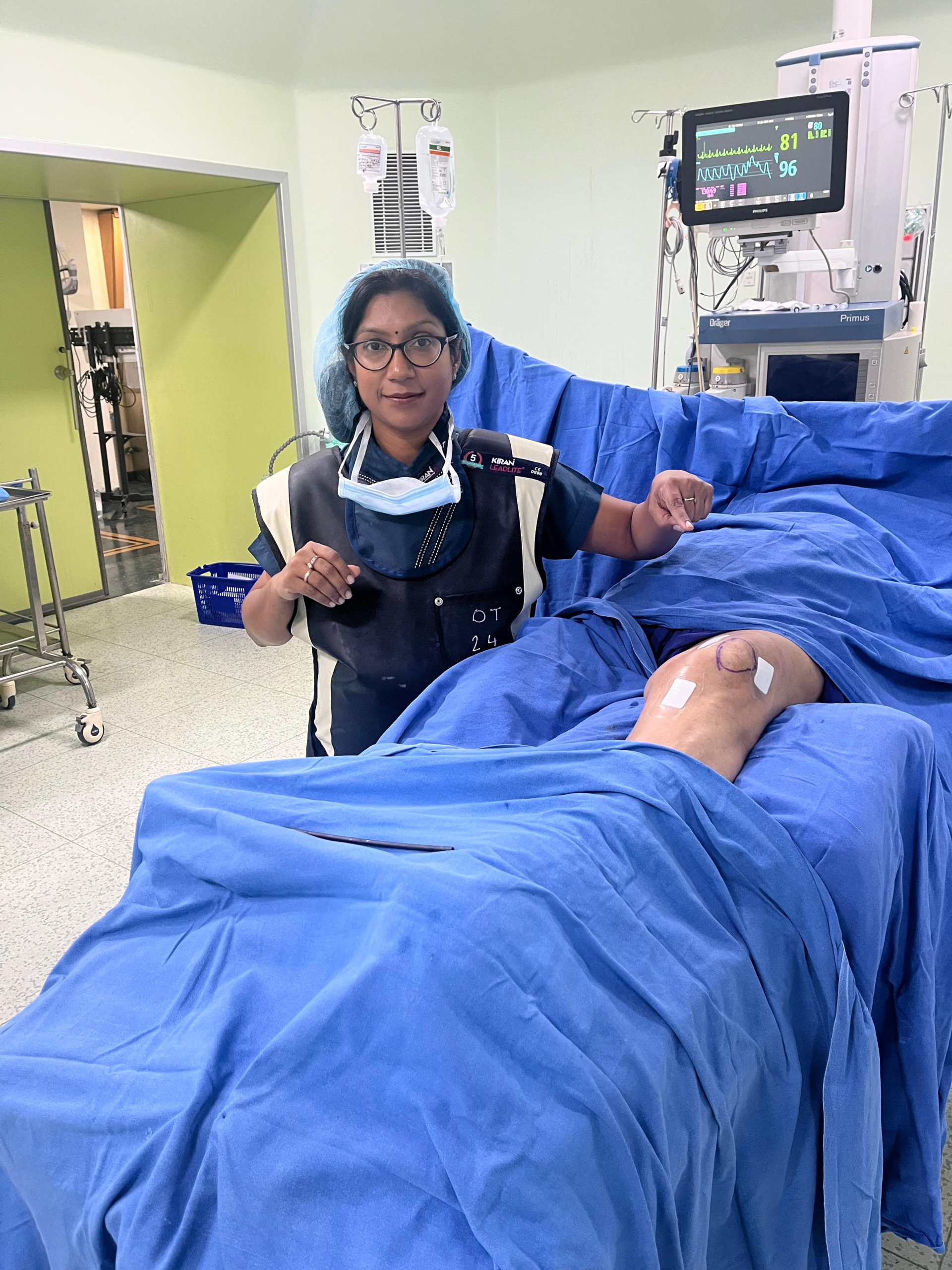
Looking for Relief from Knee Pain Without Surgery?
If your knee hurts every time you walk, climb stairs or even get up from a chair, you are not alone. Knee osteoarthritis is one of the most common reasons why people above the age of 50 visit a pain specialist. Over time, the cushioning cartilage inside the knee wears out. As a result, the bones start rubbing against each other, causing pain, stiffness and swelling.
Many people are told that knee replacement is the only solution. While surgery is an excellent option for some patients, it is not necessary for everyone. In many cases, advanced pain management procedures can reduce pain considerably and help patients continue their normal routine without undergoing major surgery.
The right treatment depends on the condition of your knee, your age, lifestyle and overall health.
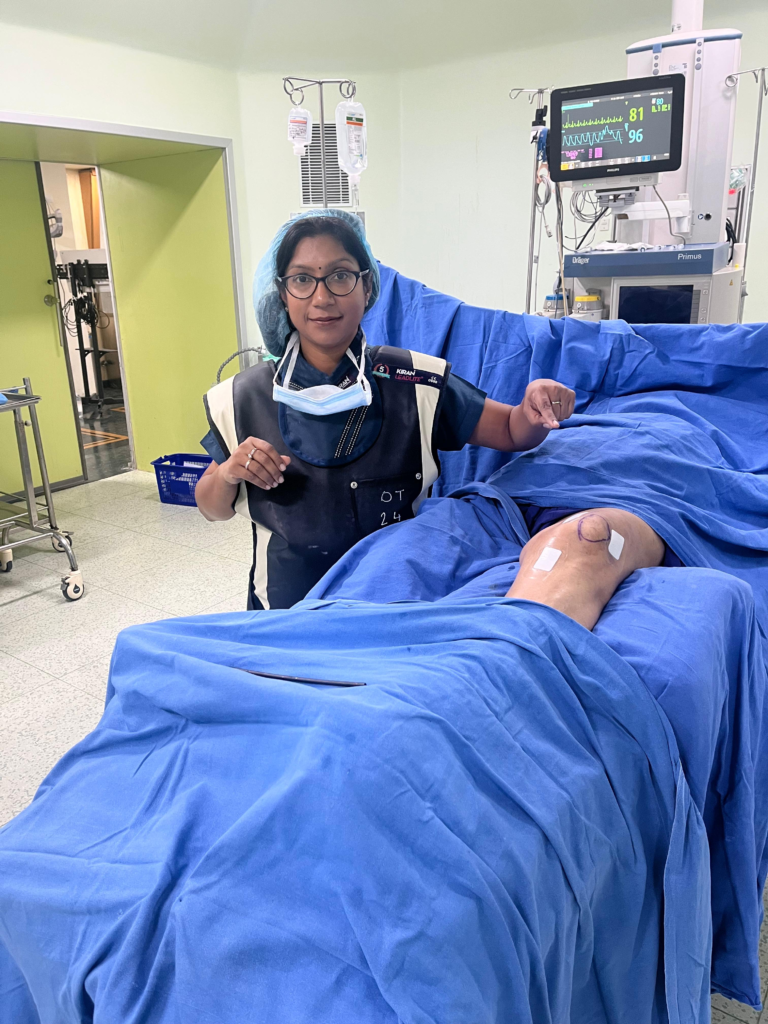
Is Knee Replacement Always Required?
Not really.
A large number of patients are able to manage their symptoms with minimally invasive procedures for several months or even years before surgery becomes necessary.
Some patients also want to avoid surgery because they have diabetes, heart disease or other medical conditions. Others simply do not feel ready for an operation and want to explore every possible non-surgical option first.
That is where interventional pain management plays an important role.
These procedures are done through injections or needle-based techniques without making large cuts. Most patients go home the same day and can return to their routine within a day or two.
Treatments Available for Knee Osteoarthritis
1. Genicular Nerve Radiofrequency Ablation (RFA)
This is one of the most commonly performed procedures for long-standing knee arthritis pain.
Small nerves around the knee carry pain signals to the brain. Using ultrasound or X-ray guidance, these nerves are located accurately. Controlled radiofrequency energy is then used to stop these pain signals.
The procedure does not affect your ability to walk or move the knee because it targets only the pain-carrying nerves.
In selected cases, these nerves can also be treated using medicines like alcohol or phenol under image guidance.
- Procedure Duration: Approximately 30–45 minutes
- Anaesthesia: Local anaesthesia
- Hospital Stay: Day-care procedure
- Recovery: Most patients resume routine activities within 1–2 days
- Pain Relief: Usually lasts between 6 months and 2 years
The procedure can be repeated if the pain returns later.
2. Hyaluronic Acid Injection (Viscosupplementation)
Healthy knee joints contain a natural lubricant called hyaluronic acid.
As arthritis progresses, this lubricant decreases, making joint movement painful.
Injecting medical-grade hyaluronic acid into the knee improves lubrication, reduces friction and makes movement smoother.
This treatment is generally recommended for patients with early to moderate osteoarthritis.
- Suitable For: Mild to moderate arthritis
- Expected Relief: Around 3–6 months
3. Steroid Injection for Knee Pain
When the knee becomes swollen and painful, a steroid injection can help reduce inflammation quickly.
Many patients notice improvement within a few days. Although the effect may not last as long as some other procedures, steroid injections are often useful during painful flare-ups.
- Best For: Acute pain and swelling
- Relief Duration: A few weeks to several months
4. PRP and Regenerative Treatments
Platelet-Rich Plasma (PRP) is prepared from a small sample of the patient’s own blood. It contains growth factors that may help reduce inflammation and support healing inside the joint.
Some patients may also be suitable for advanced regenerative procedures such as Bone Marrow Aspirate Concentrate (BMAC) or stem cell-based therapies.
These options are generally considered for selected patients with early to moderate arthritis who wish to explore non-surgical treatment options.
5. Nerve Blocks and Peripheral Nerve Stimulation
Sometimes it is important to identify exactly where the pain is coming from before planning long-term treatment.
A diagnostic nerve block helps confirm the source of pain and may also provide temporary relief.
Patients who continue to have pain despite other treatments may benefit from Peripheral Nerve Stimulation (PNS). A small stimulating device is placed near the affected nerve to reduce pain signals. Suitable patients may experience pain relief lasting several months.
Who Should Consider These Treatments?
You may be a suitable candidate if:
- You have been suffering from knee pain for several months.
- Walking, climbing stairs or standing has become difficult.
- Medicines are no longer providing enough relief.
- Physiotherapy has not improved your symptoms.
- You wish to postpone knee replacement surgery.
- You are not medically fit for major surgery.
Every patient is different, which is why the treatment plan should always be personalised after a proper clinical evaluation.
What Happens During Your Consultation?
Your consultation begins with understanding your symptoms, daily activities and previous treatments.
Your pain specialist will carefully examine the knee and review your X-rays or MRI scans. If required, an ultrasound examination may also be performed to look for joint fluid, ligament injuries or meniscus tears.
After assessing all the findings, the most suitable treatment options will be discussed in detail, along with their expected benefits and limitations.
Frequently Asked Questions
1. Can these treatments cure arthritis?
No. Knee osteoarthritis cannot be completely reversed. However, these procedures can reduce pain significantly, improve mobility and help delay the need for knee replacement surgery.
2. Are these procedures safe?
Yes. These are minimally invasive procedures performed under image guidance. Serious complications are uncommon when performed by an experienced pain specialist.
3. How soon will I feel better?
The recovery depends on the treatment. Steroid injections usually provide relief within a few days, whereas Radiofrequency Ablation may take two to four weeks to show its full effect.
4. Can I still undergo knee replacement surgery later?
Yes. These treatments do not interfere with future knee replacement surgery if it becomes necessary.
Consult Dr. Ekta Gupta for Advanced Knee Pain Treatment in Delhi
Living with constant knee pain does not always mean you need surgery immediately.
Modern interventional pain management offers several effective treatment options that can reduce pain, improve mobility and help many patients postpone knee replacement surgery.
If you have been struggling with knee osteoarthritis, schedule a consultation with Dr. Ekta Gupta for a detailed assessment and a personalised treatment plan.
Call: +91-9560852171
Serving patients across Delhi NCR with advanced, evidence-based pain management.

3 Comments